Why Remote Workers Lose Focus and How to Prevent It
Working from home alone creates unique motivation challenges that traditional office workers never face, from isolation to endless distractions. This guide reveals the psychological and practical strategies remote workers use to stay focused, energized, and productive without constant external accountability.
You sit down at your desk at 9 AM. By 10:30 you’ve checked your phone twelve times. How to stay motivated working from home alone demands that you treat energy like a budget.
How to Stay Motivated Working From Home Alone Through Physical Space Design
Your brain links rooms to activities. You sleep in bedrooms. You eat in kitchens. When you work where you relax, your brain gets confused signals.

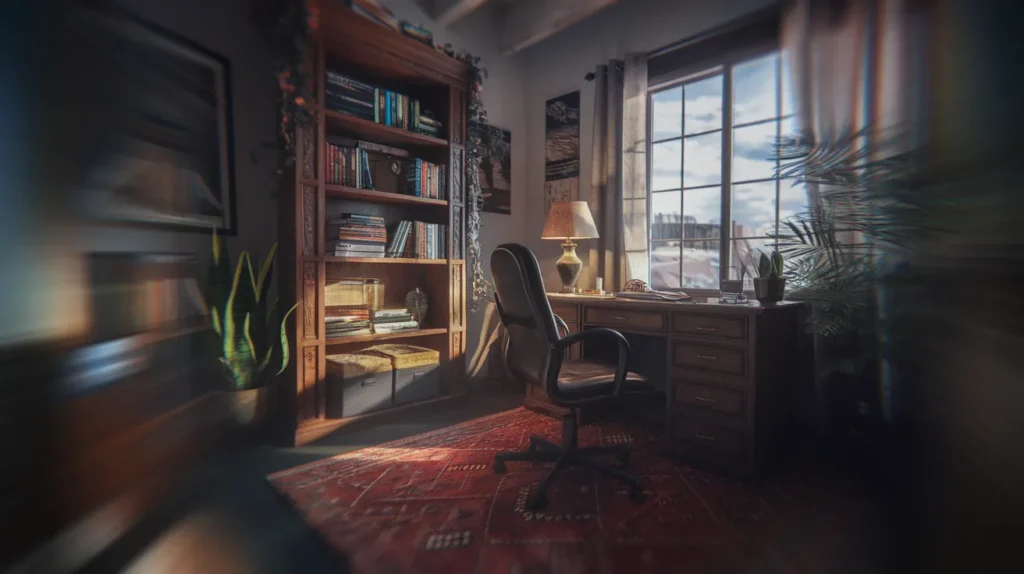
Create a space only for work. Even a corner of a room works if you face away from your bed. The key is physical separation you can see and feel.
Temperature matters more than most people think. A room at 68 degrees keeps you alert. Anything above 72 makes you drowsy. Open a window or adjust your thermostat before you start.
Natural light affects your energy throughout the day. Sit near a window if possible. If you can’t, use a desk lamp with daylight bulbs. The difference shows up around 2 PM when most people crash.
Your chair changes everything about how long you can focus. A kitchen chair will hurt your back within two hours. You’ll start taking breaks for the wrong reason. Invest in something adjustable with lumbar support.
Managing Energy Cycles When Working From Home Alone
Most people work in 90-minute blocks before their brain needs rest. You can feel it happen. Words come slower. You reread the same sentence three times.
Set a timer for 90 minutes and work until it rings. Then take 15 minutes completely off. Walk outside. Do ten pushups. Make coffee. Don’t check social media during breaks or you’ll drain yourself further.
Your worst work happens when you push through fatigue. You spend an hour on something you could finish in twenty minutes when fresh. This feels like productivity but wastes time.

Schedule hard thinking tasks before noon. Your prefrontal cortex works best in morning hours. Save emails and admin work for after 3 PM. This alone doubles what you finish each day.
Track what time you feel sharpest for three days. Write it down. Some people peak at 6 AM. Others don’t hit their stride until 10 AM. Once you know your pattern, protect those hours fiercely.
How to Stay Motivated Working From Home Alone Using Social Connection
Isolation kills motivation faster than any other single factor. Humans need other humans even if we’re introverts. Your brain wasn’t built for complete solitude eight hours daily.
Schedule one video call with another person every day. Not for work necessarily. Just to see a face and hear a voice. A ten-minute coffee chat with a friend does more than you’d expect.
Join a coworking community even if you only go once weekly. The background noise of other people working creates accountability. You work harder when someone might glance at your screen.
Find one person doing similar work and check in daily. Send a message at 9 AM listing your three main goals. They do the same. At 5 PM, report what you finished. This simple system works incredibly well.
Voice matters more than text for feeling connected. A five-minute phone call beats twenty text messages. Your nervous system calms down when you hear someone’s tone and pace.

Building Structure Without External Pressure
Offices give you structure automatically through meetings and interruptions. At home you build structure yourself or drift through the day. Most people drift.
Start work at the exact same time every day. Not roughly 9 AM. Exactly 9 AM. Your body learns the pattern and prepares mentally fifteen minutes beforehand.
End at a set time too. Remote workers often work longer hours and finish less because they never fully commit. When you know you stop at 5 PM, you work with urgency.
Create transition rituals between home life and work life. Walk around your block before starting. Change your shirt. Make a specific drink you only have while working. These signals tell your brain to switch modes.
Wear real clothes even though nobody sees you. Pajamas keep you in rest mode. You don’t need formal attire. Just different clothes than you slept in.
How to Stay Motivated Working From Home Alone With Reward Systems
Your brain runs on dopamine hits from completing tasks. Offices provide these through colleague reactions and visible progress. Alone at home, you manufacture them deliberately.
Break big projects into tasks you can finish in under two hours. Completing small pieces releases dopamine that pushes you toward the next piece. Never work all day on something with no endpoint.
Reward yourself immediately after finishing something difficult. Not at the end of the week. Right away. A good snack. A ten-minute walk. A video you wanted to watch. The closer the reward to the work, the stronger your brain links effort to pleasure.
Keep a done list separate from your to-do list. Write down everything you complete as you finish it. Looking at twelve finished tasks at 4 PM gives you momentum when energy fades.
Plan one thing you look forward to each afternoon. Knowing you’re calling your sister at 3 PM or trying a new recipe at 5:30 PM gives your day structure beyond work itself.
Handling the Motivation Drop After Lunch
Everyone’s energy crashes between 1 and 3 PM. This happens even in offices but you notice it more when working from home alone. You feel it coming and dread it.
Eat protein and fat at lunch instead of carbs. A sandwich with bread spikes your blood sugar then drops it hard. Chicken and vegetables keep you steady. The difference is dramatic.
Move your body for ten minutes right after eating. Walk up and down stairs. Do jumping jacks. This sounds simple but it cuts the afternoon slump in half.
Plan your easiest tasks for post-lunch hours. Respond to messages. Organize files. Update spreadsheets. Save creative work for when your brain actually works.
Some people benefit from a 20-minute nap around 1 PM. Set an alarm. Anything longer makes you groggy. Twenty minutes resets your system completely.
How to Stay Motivated Working From Home Alone Through Progress Tracking
You can’t see your progress when you work alone. Nobody comments on the report you finished or the client you landed. This invisible progress erodes motivation over weeks.
Take two minutes at the end of each day to write what you accomplished. Use a notebook or simple document. Reading last week’s entries reminds you that you’re actually moving forward.
Set weekly goals on Sunday evening. Write three specific things you’ll finish by Friday. Not vague intentions. Actual deliverables. Check them off as you go.
Share your wins with someone even if they’re small. Text your partner when you finish a difficult task. Post in a Slack group for freelancers. Saying it out loud makes it real.
Compare yourself to last month’s version of yourself. Not to other people on social media. They’re showing highlights. You’re living every tedious detail. Track your own growth over twelve weeks and the pattern becomes clear.
Dealing With Distractions When Nobody’s Watching
You face different distractions at home than in offices. Your phone sits three feet away. The fridge calls to you. Your bed looks comfortable. Nobody knows if you’re working or watching videos.
Put your phone in another room during work blocks. Not face down on your desk. In a different room. The effort of walking to get it stops most mindless checking.
Use website blockers during your peak hours. Block social media from 9 AM to noon. You’ll try to visit Facebook and can’t. This removes the decision entirely.
Tell yourself you can do the distracting thing later. Not never. Later. This reduces the feeling of deprivation. You’re not forbidding yourself from checking Instagram. You’re waiting until 5 PM.
Notice what triggers your urge to get distracted. Usually it’s hitting a difficult part of the task. When you feel that urge, name it out loud. Then do five more minutes before taking a break. This builds your tolerance for discomfort.
Frequently Asked Questions
What if I live with other people who distract me?
Set clear hours when you’re unavailable and communicate them directly. Hang a sign on your door during deep work sessions. Use headphones as a visual signal even if you’re not playing music. Have a serious conversation about respecting work time as real work.
How long does it take to adjust to working from home alone?
Most people need six to eight weeks to build sustainable habits. The first two weeks feel difficult and unnatural. Week three through six you start finding what works. After eight weeks your routine becomes automatic.
Should I work from coffee shops to stay motivated?
Coffee shops work well for two or three sessions per week. Going daily gets expensive and unpredictable. Use them strategically when you need background energy. Do focused solo work at home.
What do I do when motivation completely disappears for days?
Lower your standards temporarily and just show up for two hours. Do anything work related even if it’s easy tasks. Momentum returns faster when you maintain the routine. Complete absence makes restarting much harder.
How do I know if working from home alone isn’t right for me?
Give it three full months of honest effort with structure and systems. If you still feel miserable and unproductive after ninety days, you probably need more external accountability. Some people truly work better with others around.
Set a timer for 90 minutes right now and protect that block from every distraction.