Why Remote Workers Lose 2 Hours Daily to Distraction
This guide reveals the hidden time-wasters that plague remote workers and provides actionable systems to reclaim your focus and output. Discover how to structure your day so deep work happens naturally and your to-do list actually shrinks.
Your kitchen is ten steps away. Your phone buzzes every three minutes. Learning how to manage your time working from home prevents entire days from vanishing. The real skill is building structure when nobody watches.
How to Manage Your Time Working from Home with Physical Boundaries
Your brain needs location signals to switch between modes. When you work from your couch, your mind never knows if it’s resting or producing. You blur the line every single time you answer an email from bed.

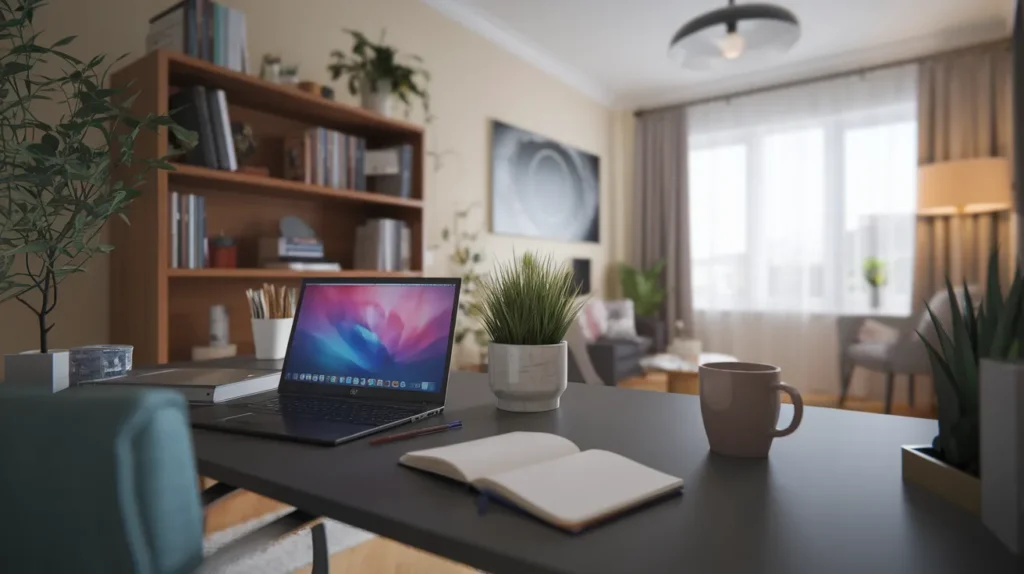
Pick one spot for work only. A corner desk works. A specific kitchen chair works. The rule is simple. When you sit there, you work. When you leave, work stops.
This sounds basic. Most remote workers ignore it completely. They drift between rooms with their laptop. Their focus drifts with them.
Your chosen spot doesn’t need fancy equipment. It needs consistency. Sit in the same place at 9am for two weeks. Your brain will start working mode automatically when you arrive.
The reverse matters just as much. Leave your workspace when the day ends. Walk away physically. Close the door if you have one. This signals completion. Your mind needs that clear stop.
Setting Hard Start and Stop Times for Remote Work
Office buildings force time boundaries. You drive there at 8am. You leave at 5pm. Working from home erases these walls. Many people work longer hours at home than they ever did in offices.
Write your start time down. Write your stop time down. Treat these like appointments you can’t miss. If your workday starts at 8:30am, sit down at 8:30am. Not 8:45am. Not 9am.
The stop time is harder. Work expands to fill available time. Without a firm end, you’ll find tasks at 7pm. You’ll check email at 9pm. This pattern destroys your energy within months.

Set an alarm for your stop time. When it rings, save your work. Close your programs. Stand up and walk away. Tomorrow’s problems wait until tomorrow.
Your employer might push back. Remote workers often feel pressure to prove they’re actually working. Longer hours seem like proof. This thinking is backwards. Results prove work. Hours prove nothing.
How to Manage Your Time Working from Home Through Task Batching
Switching between different task types burns energy. Your brain needs time to shift gears. Answer an email, write code, take a call, update a spreadsheet. Each switch costs you focus.
Group similar work together. Answer all emails in one block. Make all your calls in another block. Do your writing in a third block. Your brain stays in the same mode longer.
Check your calendar from last week. Count how many times you switched task types. Most people switch fifteen to twenty times per day. Each switch creates a restart cost.
Try batching for one week. Put all your admin work in one morning slot. Schedule all meetings back to back on two afternoons. Save your deep focus work for when you’re sharpest.
Email is the biggest thief here. Every time you check it, you interrupt yourself. You react to someone else’s priority. Checking email twenty times daily means twenty interruptions you created yourself.

Open email twice daily. Once at 10am. Once at 3pm. Answer everything in those windows. Close it completely between sessions. People can wait three hours. Nothing breaks from a three-hour delay.
Using Your Home Environment’s Natural Rhythms
Your energy changes throughout the day. Morning you thinks differently than afternoon you. Working from home lets you match tasks to your natural peaks and valleys.
Track your energy for three days. Write down when you feel sharp. Write down when you feel foggy. Patterns will emerge quickly. Most people peak between 9am and noon.
Schedule your hardest thinking work during your peak hours. This is when you write reports. This is when you solve complex problems. This is when you plan strategy.
Save low-energy tasks for your valley times. File documents at 2pm. Organize folders at 4pm. Clean your inbox after lunch. These tasks need doing but don’t need your best thinking.
Offices ignore these rhythms completely. Meeting schedules and office culture override your natural energy. Home work gives you this advantage. Use it.
How to Manage Your Time Working from Home by Protecting Focus Blocks
Deep work needs uninterrupted time. Two hours of solid focus produces more than six hours of scattered effort. Working from home makes deep focus possible. It also makes it harder to defend.
Block two-hour windows on your calendar. Mark them as busy. During these blocks, close every communication tool. Silence your phone. Turn off email notifications. Shut your door.
Tell people when you’re unreachable. Send a message to your team. Say you’re in deep focus from 9am to 11am. They’ll learn to work around it. The first week feels uncomfortable. By week three it becomes normal.
Most remote workers stay available all day. They think immediate responses show dedication. This trades real productivity for the appearance of availability. You produce less while looking busier.
One two-hour focus block daily beats ten interrupted hours. You’ll finish more by noon than most people finish all day. This isn’t an exaggeration. Interruptions destroy complex thinking completely.
Creating Transition Rituals Between Personal and Work Time
Commutes provided automatic transition time. You shifted from home mode to work mode during the drive. Remote work removes this buffer. You roll out of bed and start working immediately.
Your brain needs transition signals. Build a simple routine that separates home from work. Make coffee a specific way. Take a ten-minute walk. Change your shirt. The action matters less than the consistency.
Do the same routine every workday morning. This becomes your replacement commute. It tells your brain that work is starting. After two weeks, the ritual triggers focus automatically.
Build an end-of-day ritual too. Close your laptop in a specific way. Write tomorrow’s top three tasks. Change into different clothes. This ritual signals that work has stopped.
Without these rituals, work and life blend into mush. You’re never fully working. You’re never fully resting. You exist in a gray zone that satisfies neither side. This gray zone is where burnout lives.
Managing Household Distractions During Work Hours
Your home contains endless distraction opportunities. Dishes sit in the sink. Laundry needs folding. The fridge needs cleaning. These tasks whisper at you all day.
Make a rule. Household tasks happen outside work hours. Period. You don’t fold laundry at 11am. You don’t start dinner prep at 2pm. You wouldn’t do these things in an office.
Other people in your home need clear rules too. Partners and kids must understand when you’re working. A closed door means you’re unavailable. Headphones mean you’re unavailable. Pick your signal and enforce it.
This feels harsh at first. You’re right there in the house. Why can’t you help with something quick? Because quick tasks multiply. One quick favor becomes twenty interruptions.
Set specific break times when you’re available. Tell your household you can help at 10:30am, 12:30pm, and 3:30pm. They know when to ask. You protect your focus between those times.
How to Manage Your Time Working from Home with Strategic Break Planning
Breaks aren’t wasted time. They’re recovery periods that maintain your output. Working eight straight hours at home produces terrible work after hour four. Your brain needs reset moments.
Take a five-minute break every hour. Stand up. Move to a different room. Look at something far away. Don’t check your phone. Don’t check email. Actually rest your mind.
Longer breaks need planning too. Take a real lunch break. Leave your workspace completely. Eat somewhere else. Thirty minutes away from work resets your afternoon energy.
Many remote workers eat lunch at their desks. They think this saves time. It destroys their afternoon instead. The time you save at lunch comes out of your productive afternoon hours.
Movement breaks work better than scrolling breaks. A ten-minute walk beats ten minutes on social media. Physical movement clears mental fog. Scrolling adds more noise to your head.
Tracking Time to Find Your Real Productivity Patterns
You probably don’t know where your time actually goes. Most people guess wrong about their daily patterns. They think they worked six focused hours. They actually worked two focused hours between four hours of distractions.
Track one week in detail. Write down what you did every thirty minutes. Don’t change your behavior. Just observe and record honestly. The results will surprise you.
You’ll spot time thieves immediately. Maybe you check news sites eight times daily. Maybe quick chats with coworkers eat ninety minutes. Maybe you restart the same task five times because interruptions break your flow.
Fix the biggest time thief first. If social media grabs forty minutes daily, block those sites during work hours. If random questions interrupt you constantly, set question hours when people can ask anything.
Track again after two weeks of changes. Compare your new patterns to your baseline week. You’ll see exactly what worked and what failed. This data shows you how to manage your time working from home better than any generic advice can.
Frequently Asked Questions
What is the biggest mistake people make when working from home?
They stay available to everyone all day long. This destroys any chance of deep focus. Block off protected time when you’re completely unreachable.
How many hours should you work from home each day?
Work the same hours you would in an office. Most people need seven to eight productive hours. Set firm start and stop times.
Should you work from the same spot every day at home?
Yes. Your brain links locations with activities. One consistent workspace helps you focus faster. It also helps you stop working when you leave that spot.
How often should you take breaks during remote work?
Take a five-minute break every hour for best results. Take a longer thirty-minute lunch break away from your workspace. Movement breaks work better than screen breaks.
What time of day is best for difficult work at home?
Most people think best between 9am and noon. Track your own energy patterns for three days. Schedule your hardest thinking work during your personal peak hours.
Choose one strategy from this article and test it for five days starting tomorrow morning.