Home office setup under $500 works better than you think
This guide walks you through creating a productive home office workspace when money is limited, perfect for freelancers, remote workers, and anyone starting from scratch. You’ll learn which purchases matter most and which budget corners you can safely cut to save hundreds without compromising your work environment.
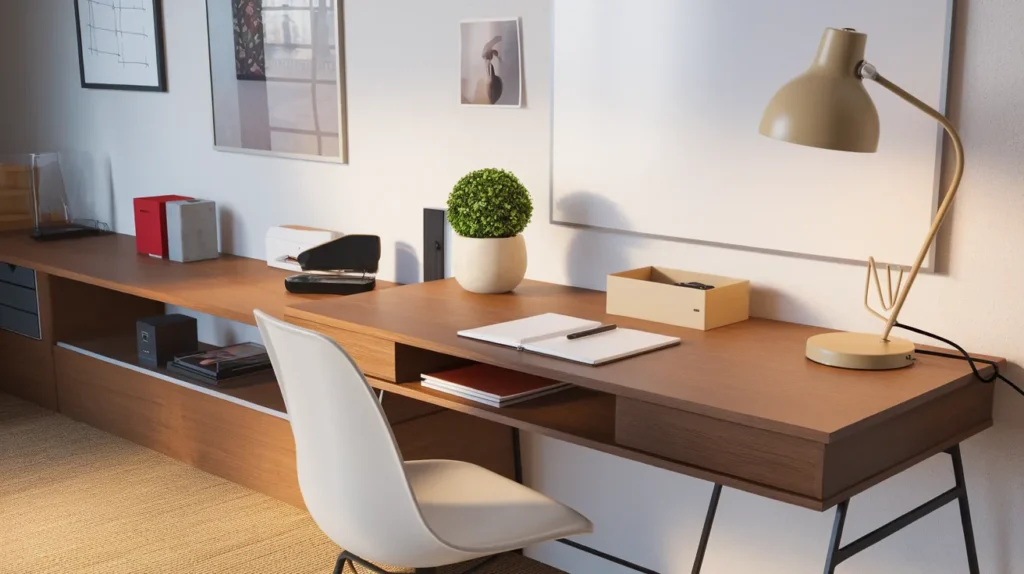
Your dining table shouldn’t double as your desk forever. Learning how to set up a home office on a tight budget saves your back and your focus. The right workspace costs less than you think. You just need to know where to spend and where to skip.
Finding Free Furniture Nobody Else Wants
People throw away perfectly good desks every single week. Check your local buy-nothing groups on Facebook before you spend a dollar. Offices closing down often give away furniture for free if you haul it yourself. One person’s outdated cubicle desk becomes your new workspace.

Thrift stores sell solid wood desks for under thirty dollars. These older pieces last longer than cheap particle board from big box stores. The finish might look worn, but sandpaper and a ten-dollar can of paint fix that. You get quality at a fraction of the cost.
Kitchen tables work fine as desks if you already own one. The height usually matches standard desk measurements at around thirty inches. Add a tablecloth underneath to protect the surface from scratches. Your budget stays at zero dollars.
How to Set Up a Home Office on a Tight Budget Using DIY Solutions
Milk crates stacked sideways create instant shelving for under twenty dollars. Spray paint them white or black for a cleaner look. They hold books, supplies, and storage boxes without taking up floor space. Mount them to the wall for extra stability.
Cardboard file boxes cost three dollars each at discount stores. They organize papers just as well as expensive filing cabinets. Cover them with contact paper to match your room’s style. Label each box clearly so you find things fast.
Wire shelving units from hardware stores run about fifteen dollars per shelf. They assemble in minutes without tools. Stack three shelves high for maximum storage in minimal space. These hold printers, paper reams, and office supplies easily.
Pegboards transform wall space into functional storage for under ten dollars. Hang one above your desk to hold scissors, tape, and small tools. Paint it to match your walls. Every item stays visible and within reach.
Lighting Your Space Without Expensive Fixtures
Desk lamps from thrift stores cost five dollars or less. Replace the bulb with a bright LED version for better light. Position the lamp on your non-dominant side to avoid shadows. Good lighting prevents eye strain during long work sessions.

Clip lights attach anywhere and cost around eight dollars new. Clamp one to your shelf or desk edge for focused task lighting. They aim exactly where you need brightness. Move them around as your needs change throughout the day.
Natural light costs nothing but requires smart desk placement. Position your workspace perpendicular to windows, not facing them. Direct sunlight creates screen glare and overheats your space. Side lighting gives you brightness without these problems.
Tech and Equipment Priorities for Starting Out
Your current laptop or computer works fine for most home office tasks. Skip the urge to upgrade right away. Spend money on a comfortable chair before new electronics. Your body needs support more than your tech needs speed.
Used monitors sell for thirty to fifty dollars on marketplace sites. A second screen doubles your productivity for basic tasks. Test it before you buy to check for dead pixels. Most sellers let you plug it in first.
Free software handles nearly everything paid versions do. Google Workspace gives you documents, spreadsheets, and storage at no cost. Zoom offers free video calls for meetings under forty minutes. LibreOffice provides word processing without subscription fees.
Phone cameras replace expensive scanners for most document needs. Download a free scanning app to straighten and enhance photos. Save files as PDFs directly from the app. This setup costs zero dollars and works from anywhere.
How to Set Up a Home Office on a Tight Budget With Smart Seating Choices
Office chairs appear constantly on local selling sites for twenty to forty dollars. Companies upgrade furniture and employees sell their old chairs cheap. Test the height adjustment and back support before buying. A worn seat cushion matters less than proper lumbar support.

Dining chairs work temporarily if you add a cushion for padding. The lack of wheels and adjustment makes them less ideal long-term. Your back will complain after a few weeks of full-time use. Save up for a real office chair within your first month.
Exercise balls as chairs sound clever but create their own problems. Your core gets tired and your posture suffers after an hour. They also roll away when you stand up. Skip this trend and find an actual chair instead.
Creating Storage From Household Items
Shoe organizers hang on walls and hold office supplies perfectly. The clear pockets let you see everything at a glance. Each pocket fits pens, sticky notes, charging cables, and small notebooks. These cost under ten dollars at discount stores.
Mason jars organize desk clutter for free if you already own them. Group pens, pencils, and markers by type in separate jars. They look cleaner than random cups and keep items upright. Wash out old pasta sauce jars to expand your collection.
Cereal boxes become magazine holders with one diagonal cut. Remove the top flap and cut from corner to corner. Cover the outside with wrapping paper or contact paper. File folders, notebooks, and papers stand neatly inside.
How to Set Up a Home Office on a Tight Budget Through Strategic Shopping
Dollar stores stock basic office supplies at the lowest prices anywhere. Pens, notepads, folders, and tape all cost one dollar each. The quality works fine for everyday use. Stock up on essentials here before checking other stores.
Back-to-school sales in August offer office supplies at their cheapest. Notebooks sell for twenty-five cents and pens go for pennies. Buy a year’s supply during this window. Your timing saves more money than any coupon.
Warehouse stores sell supplies in bulk at lower per-unit costs. Split a membership with a friend to cut the fee in half. One trip fills your needs for six months or more. The upfront cost pays off within two shopping trips.
Online marketplaces let you filter by price and location for pickup. People sell unused office supplies from failed businesses or job changes. You get new items at half price without shipping costs. Check listings weekly for fresh deals.
Setting Boundaries in Shared Spaces
Room dividers create office zones in shared spaces for under forty dollars. Folding screens from discount stores work perfectly. Position the divider behind your workspace to signal work mode. This physical barrier helps family members respect your work time.
Curtains on ceiling tracks cost less than permanent walls. They slide open when you finish work for the day. Choose a neutral color so the curtain blends with your room. Hardware stores sell everything you need for under thirty dollars.
Bookcases turned perpendicular to walls divide spaces without construction. The back of the bookcase faces your work area. Fill shelves with supplies on your side and decorative items on the other. This setup provides storage and separation simultaneously.
How to Set Up a Home Office on a Tight Budget With Cable Management
Binder clips attach to desk edges and hold cables in place. Thread each cable through the metal loops to prevent tangles. These cost pennies per clip at dollar stores. Your workspace looks cleaner and cables stop falling behind furniture.
Toilet paper tubes keep cables organized inside drawers for free. Coil each cable and tuck it inside a tube. Label each tube with masking tape. You find the right cable immediately without digging through tangled messes.
Velcro cable ties bundle cords together neatly for about five dollars per pack. Wrap them around cable groups behind your desk. They adjust easily when you need to add or remove devices. Regular zip ties work too but can’t be reused.
Making Your Space Actually Comfortable
Plants improve air quality and cost under ten dollars at grocery stores. Pothos and snake plants need minimal care and survive low light. Position one plant on your desk or nearby shelf. The green adds life without taking up work surface.
Footrests prevent leg strain during long sitting sessions. A cardboard box turned upside down serves this purpose perfectly. Cover it with fabric to make it look intentional. Your feet rest flat instead of dangling.
Temperature control matters more than people admit for productivity. A small desk fan costs fifteen dollars and keeps you cool. Position it to blow across you, not directly at you. Comfort helps you focus for longer stretches.
Sound matters when you share space with others. Earbuds block noise for under twenty dollars at discount electronics stores. They signal to others when you’re concentrating on calls or deep work. The investment protects your focus daily.
Frequently Asked Questions
What is the absolute minimum cost to set up a functional home office?
You can create a working home office for under fifty dollars total. Use furniture you already own and buy only essential supplies. Focus spending on a decent chair and basic lighting. Everything else can come from free sources or dollar stores.
Should I buy a standing desk when setting up my home office?
Skip the standing desk when money is tight. They cost hundreds of dollars for quality versions. Stack books under your laptop to test standing work first. Most people use standing desks less than they expect anyway.
How can I make a small space work as a home office?
Vertical storage maximizes small spaces better than floor furniture. Mount shelves above your desk to keep surfaces clear. Use a fold-down desk that attaches to walls. Close it up when you finish work each day.
Is it worth buying used electronics for a home office?
Used monitors and keyboards work great for home offices on budgets. Test them before buying to confirm they function properly. Skip used laptops unless you know how to check their condition. The savings justify the minor risk for accessories.
What office supplies do I actually need to start working from home?
You need pens, paper, folders, and basic desk supplies to start. Most work happens digitally so paper needs stay minimal. Buy supplies as specific needs arise during work. Don’t stock up on items you might never use.
Start with one area of your home office this week and improve it using these budget strategies.