Why Remote Workers Lose Focus After 2pm and How to Stop It
This post reveals the hidden patterns that derail home office productivity and provides actionable techniques to sustain your output from morning through evening. By understanding your natural energy cycles, you’ll create a work routine that keeps you consistently focused without burnout.
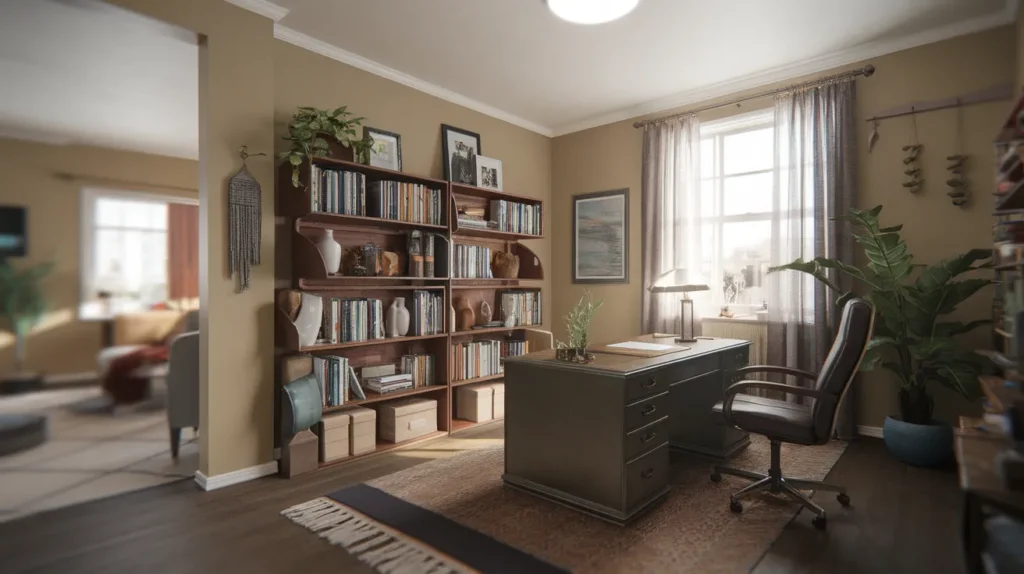
Your kitchen table becomes your desk at 8am and stays your desk until 7pm. The boundaries between work and life disappear completely. Home feels less like home and more like a place you can’t escape. The secret is treating remote work like a professional project with systems, not motivation.
How to Stay Productive Working From Home All Day With a Real Morning Routine
You wake up and start checking emails before brushing your teeth. This sets the wrong tone. Your brain enters reactive mode instead of creative mode. Every message feels urgent before you even stand up.

Professional remote workers build a morning sequence completely separate from work tasks. They shower and get dressed in real clothes. They make coffee using a deliberate process. They step outside for three minutes. These actions signal to your brain that work starts after preparation, not during it.
The routine doesn’t need to take an hour. Fifteen minutes is enough. The point is creating a barrier between sleep and screen time. Without this barrier, you start work already tired.
Skip breakfast meetings for the first month of remote work. Your mornings need protection while you build new habits. Once the routine becomes automatic, you can add flexibility back in.
Setting Up Physical Zones to Stay Productive Working From Home All Day
Working from your bed destroys both your work quality and your sleep. Your brain associates locations with activities. When you mix work and rest in the same spot, neither works properly. You feel restless at night and unfocused during the day.
Pick one surface in your home as your work zone. It could be a desk, a kitchen table, or a countertop. Clear everything else off that surface. Keep only work items there during work hours. When you finish for the day, remove your laptop completely.
Small apartments make this harder but not impossible. Use a folding table you set up each morning. Store it away each evening. The physical act of setting up and taking down creates boundaries your brain recognizes.
Never answer work calls from your couch. Stand up and move to your work zone first. This takes five extra seconds but changes how you show up in the conversation. You sound more alert and you think more clearly.

How to Stay Productive Working From Home All Day Using Time Containers
Open-ended work sessions drain your energy faster than hard deadlines. You tell yourself you’ll work until something is done. Three hours disappear and you’ve rewritten the same paragraph eight times. Progress feels impossible.
Set a timer for 45 minutes before starting any task. Work only on that one task until the timer sounds. No email checks. No phone glances. No tab switching. When the timer ends, take a real break for 10 minutes.
The break isn’t optional. Walk to another room. Look out a window. Do five pushups. Your brain needs the reset. People who skip breaks work slower in the afternoon than people who take them.
Do this pattern three times in the morning. After the third round, take a 30-minute break for lunch. Repeat the pattern twice in the afternoon. You’ll finish more in five focused blocks than in eight distracted hours.
Stopping Work at the Same Time Every Day
Remote work expands to fill every available hour if you let it. You think you’ll just finish one more thing. That thing takes 40 minutes instead of 10. Suddenly it’s 8pm and you haven’t eaten dinner.
Pick a stop time and set a phone alarm for 15 minutes before it. When the alarm sounds, save everything and start your shutdown process. Close all work tabs. Write tomorrow’s top three tasks on paper. Move your laptop to a drawer or shelf.
This feels weird the first week. You worry about unfinished items. But tasks always remain unfinished. That’s how work functions. Stopping at a set time doesn’t create more unfinished work. It just makes you aware of what was already there.

The shutdown process takes five minutes maximum. Those five minutes buy you a complete mental break for the evening. Your relationships improve. Your sleep improves. Your next morning’s focus improves.
Managing Energy Levels When You Stay Productive Working From Home All Day
You can’t maintain the same energy from 9am to 5pm. Your brain has natural peaks and valleys throughout the day. Fighting this pattern wastes effort. Working with it multiplies your output.
Most people think clearest in the first three hours after waking. Schedule your hardest thinking work for this window. Writing, planning, and problem-solving belong here. Save emails and calls for after lunch when your energy dips naturally.
The afternoon slump hits around 2pm for most remote workers. You feel foggy and struggle to concentrate. This is normal. Don’t schedule important decisions or creative work during this time. Handle administrative tasks instead. Update spreadsheets. File documents. Return simple messages.
Your energy often rises again around 4pm. Use this second wind for planning tomorrow or wrapping up projects. Avoid starting anything new this late. You won’t finish it anyway.
How to Stay Productive Working From Home All Day Without Constant Distractions
Your phone sits next to your laptop all day long. You check it every time the screen lights up. Each check breaks your concentration. Getting back into deep work takes 12 minutes on average after an interruption.
Put your phone in a different room during focused work blocks. Not on silent. Not face down. In another room. This sounds extreme but it works. You can’t check what you can’t reach.
Tell your household you’re unavailable during specific hours. Close your door if you have one. Put on headphones even if you’re not playing music. People interrupt less when you look occupied.
Turn off every notification on your computer. Email, chat apps, calendar reminders. Check these tools when you choose to, not when they demand attention. You’ll find most urgent messages can wait 45 minutes. The truly critical ones are rarer than you think.
Preventing Burnout Through Structured Breaks
Remote workers burn out faster than office workers despite being home. The problem is they never actually leave work. Their laptop stays open. They check messages during dinner. Work thoughts fill every quiet moment.
Build non-work activities into your schedule with the same weight as meetings. Block calendar time for a 20-minute walk at 11am. Protect it like you’d protect a client call. When someone requests that time, you’re already booked.
Eat lunch away from your desk every single day. This rule has no exceptions. Sit at a different table. Go outside if weather permits. Your lunch break is for eating and mental rest. Not for reading work documents while chewing.
Take a full day off each week with zero work contact. No quick email checks. No brief calls. Your brain needs complete separation to recover. Partial breaks don’t provide the same benefit.
Staying Connected to Stay Productive Working From Home All Day
Working alone all day makes you feel invisible. You lose the casual conversations that happened naturally in an office. This isolation affects your motivation more than you’d expect. Humans need social contact to function well.
Schedule one video call per day with a coworker just to talk. Not about projects. About anything else. These calls feel awkward at first. They become valuable quickly. You remember you’re part of a team.
Join a coworking space one day per week if possible. The change of environment resets your perspective. You work alongside other humans even if you don’t speak to them. This helps more than working from home every single day.
Set boundaries around work communication during off hours. Colleagues will message you at 9pm if you respond to 9pm messages. They’ll respect evening silence if you establish it consistently. Your availability trains their expectations.
Tracking What Actually Helps You Stay Productive Working From Home All Day
Most remote workers guess about what improves their output. They try random tips without measuring results. This approach wastes time on methods that don’t match their work style.
Write down your top three completed tasks each day for two weeks. Note which day you finished the most important work. Look for patterns. You might discover you’re most effective on days you start at 7am. You might find afternoon calls drain your whole day.
Track your actual work hours separately from your available hours. Many people sit at their desk for nine hours but work for four. The gap reveals where time disappears. Usually it’s scattered across tiny distractions rather than one big problem.
Test one change at a time for a full week before adding another. Try morning walks for five days. Measure how it affects your output. Then decide whether to keep it. Changing everything at once makes it impossible to know what works.
Frequently Asked Questions
What if I can’t create a separate workspace at home?
Use a specific chair that you sit in only during work hours. Your brain will learn to associate that chair with focus. Stand up and move to a different seat when you’re done working.
How do I avoid working too many hours from home?
Set a hard stop time and tell your team about it. Close your laptop and move it out of sight at that time. Treat your end time like an appointment you can’t miss.
Should I take breaks even when I feel focused and productive?
Yes, forced breaks prevent the energy crash that comes from pushing too long. Your afternoon performance depends on morning breaks. Take them even when you don’t want to.
How can I stay motivated when nobody’s watching me work?
External motivation disappears fast when working remotely. Build systems that make work automatic instead. Your morning routine should lead directly into your first task without decisions.
What’s the biggest mistake people make with remote work?
They try to work the same way they did in an office. Remote work needs different systems. Treating home like an office without adapting your methods leads to burnout.
Start tomorrow by picking one specific stop time and setting an alarm for it right now.